WELCOME TO Tapture Studio | Starting Services at ₹299
WELCOME TO Tapture Studio | Starting Services at ₹299
Meeting in our office is free | Meeting at your office ₹3000 Charges | Available on Saturday and Sunday for Meetings

In the competitive world of photography, having a strong portfolio is essential to attract clients and showcase your skills. Your portfolio is more than just a collection of your best images—it’s your visual resume, a reflection of your style, professionalism, and ability to deliver results. Whether you’re just starting out or looking to level up your photography career, building a portfolio that gets clients is key to opening doors and landing projects.
In this post, we’ll walk you through practical steps to create a compelling photography portfolio that stands out and helps you win clients.
Before you start assembling images, it’s important to define your focus:
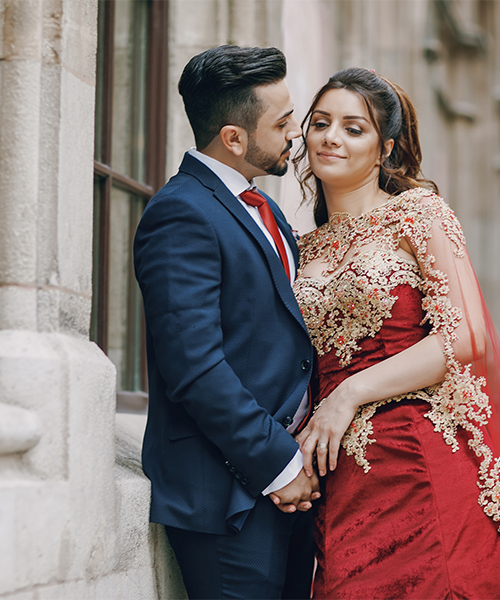
Choose Your Niche: Are you specializing in portraits, weddings, fashion, product photography, or something else? Having a clear niche helps you target the right clients.
Develop Your Style: Your style sets you apart from other photographers. Whether it’s bright and airy, moody and dramatic, candid or highly stylized, be consistent in how you edit and shoot.
By knowing your niche and style, your portfolio will feel cohesive and speak directly to your ideal client.
Quality beats quantity every time. Choose only your strongest images that showcase your skills and creativity.
Be Critical: It’s tempting to include every good photo, but a concise portfolio (around 15-30 images) is more effective.
Show Variety: Within your niche, demonstrate your versatility by including different poses, lighting setups, locations, and compositions.
Update Regularly: Remove older work that no longer represents your current skill level or style.
How you present your images is just as important as the images themselves.
Start Strong: Lead with your best and most impactful images to grab attention immediately.
Tell a Story: Arrange photos in a way that flows naturally and shows progression, whether by theme, color, or mood.
Group Similar Work: If you shoot multiple genres, consider creating separate sections for each to avoid confusion.
Including behind-the-scenes shots or before-and-after edits can demonstrate your technical skills and professionalism.
Editing Skills: Showing before-and-after photos highlights your retouching and post-processing abilities.
Workflow Insight: BTS images reveal your working style, how you direct models, and the atmosphere you create during shoots—helpful for clients wanting to know what to expect.
Social proof builds trust. If you’ve worked with clients before, ask them for testimonials that you can add to your portfolio website or printed book.
Quotes: Share short, positive client quotes about their experience working with you.
Case Studies: Briefly describe successful projects, what challenges you faced, and how you delivered excellent results.
In today’s digital world, your online presence is crucial.
Build a Website: Use platforms like Squarespace, Wix, or Adobe Portfolio to create a clean, user-friendly site.
Optimize for Mobile: Ensure your portfolio looks great on phones and tablets, since many clients browse on mobile devices.
Use High-Quality Images: Compress images for fast loading without losing quality.
Easy Navigation: Make it simple for visitors to find your work, services, pricing, and contact info.
A portfolio alone won’t get you clients unless you actively promote it.
Social Media: Regularly post your work on Instagram, Facebook, LinkedIn, and niche photography communities.
Email Marketing: Send newsletters or personalized emails to potential clients with links to your portfolio.
Collaborate: Work with models, makeup artists, or brands and share the portfolio to expand your reach.
For in-person meetings, a high-quality printed portfolio can make a lasting impression.
Use Professional Printing: Invest in premium prints and a stylish portfolio book or folder.
Bring Variety: Include a range of shots that represent your best work and versatility.
Be Prepared: Always have your physical portfolio ready for client meetings, interviews, or networking events.
Building a photography portfolio that gets clients requires thoughtful curation, a clear focus, and consistent presentation. By showcasing your best work, telling your unique story, and promoting your portfolio effectively online and offline, you’ll increase your chances of landing clients and growing your photography business. Remember, your portfolio is a living document—keep refining and updating it as your skills and style evolve.
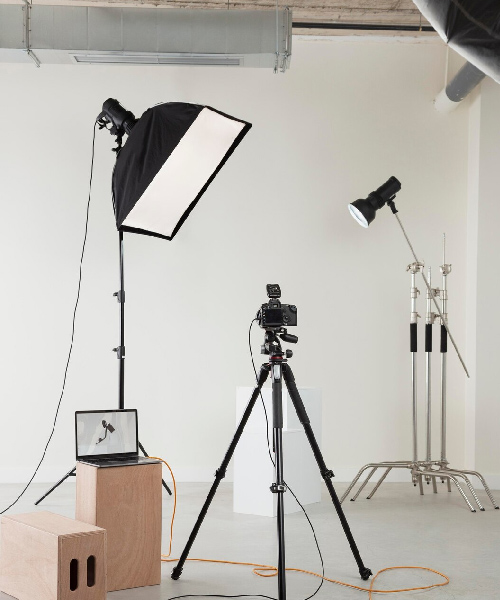
Share your shoot requirements and product details with us. Ship or deliver your products to our Delhi studio. Our professional photographers handle the shoot. Review previews, approve, pay, and download high-resolution images.
You ship the product, we create the visuals. Send your requirements and references via WhatsApp or email. Products are photographed in our Delhi studio. Review watermarked images, approve, pay, and receive final files.
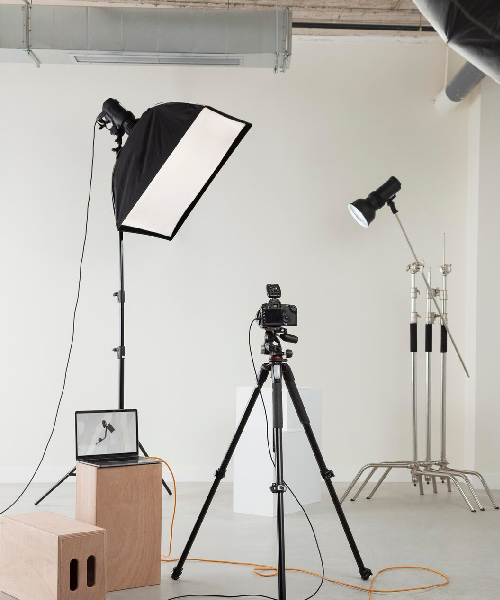
Tell us about your product and shoot needs. Courier or drop products at our Delhi studio after confirmation. Our experts shoot professionally. Review images, complete payment, and download high-resolution photos.
Send your product to our studio and let us handle the rest. We shoot in a professional setup. Review sample images, approve the work, make payment, and receive final high-quality images digitally.